
Thermal Wear
 This item is discontinued.
 Explore similar products from our collection.
-
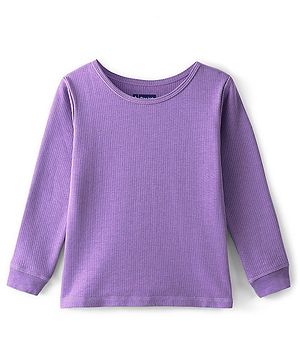
Pine Kids Full Sleeves Thermal Vest Solid Colour - Purple
Regular priceRs. 399.00Regular price Rs. 307.23Regular priceUnit price perRs. 399.00Sale price Rs. 307.23 23%Sale -
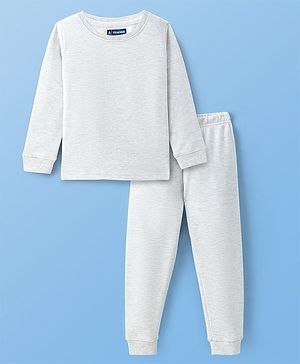
Pine Kids Full Sleeves Thermal Wear Solid Colour T-Shirt & Pant Set - Light Grey
Regular priceRs. 799.00Regular price Rs. 463.42Regular priceUnit price perRs. 799.00Sale price Rs. 463.42 42%Sale -
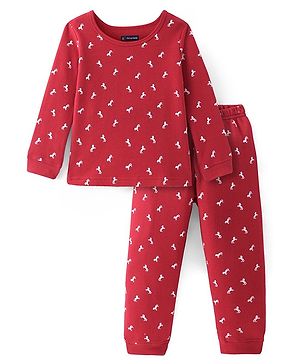
Pine Kids Knit Full Sleeves Horse Printed Thermal Vest & Pant Set - Red
Regular priceRs. 999.00Regular price Rs. 619.38Regular priceUnit price perRs. 999.00Sale price Rs. 619.38 38%Sale -
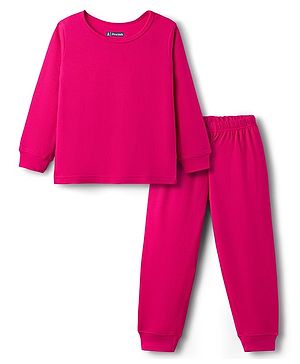
Pine Kids Knit Full Sleeves Solid Color Pullover Thermal Inner Wear Set - Dark Pink
Regular priceRs. 799.00Regular price Rs. 623.22Regular priceUnit price perRs. 799.00Sale price Rs. 623.22 22%Sale -
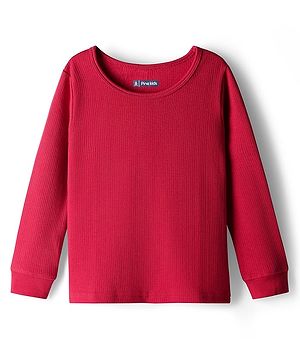
Pine Kids Knit Full Sleeves Solid Color Thermal Vest - Red
Regular priceRs. 399.00Regular price Rs. 311.22Regular priceUnit price perRs. 399.00Sale price Rs. 311.22 22%Sale -
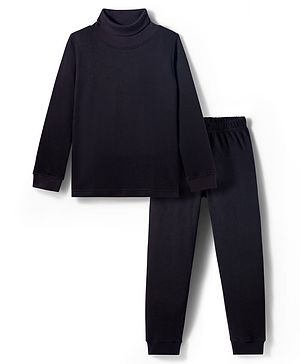
Pine Kids Knit Full Sleeves Solid Color Turtle Thermal Wear Set - Black
Regular priceRs. 799.00Regular price Rs. 615.23Regular priceUnit price perRs. 799.00Sale price Rs. 615.23 23%Sale -
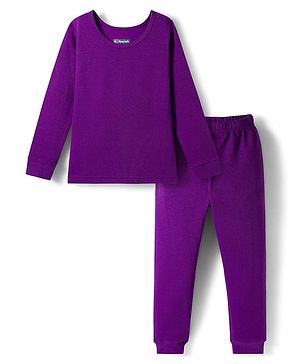
Pine Kids Knit Full Sleeves Solid Pullover Thermal Set - Imperial Purple
Regular priceRs. 699.00Regular price Rs. 559.20Regular priceUnit price perRs. 699.00Sale price Rs. 559.20 20%Sale -
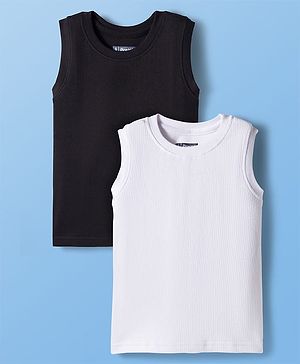
Pine Kids Knit Sleeveless Solid Colour Vests Pack Of 2 - White & Black
Regular priceRs. 699.00Regular price Rs. 559.20Regular priceUnit price perRs. 699.00Sale price Rs. 559.20 20%Sale
Kids Thermal Wear – Warm Innerwear for Comfortable Winter Layering
Winter mornings can often feel uncomfortable for children, especially during school routines, travel, outdoor activities, and colder seasonal weather. While sweaters and jackets provide outer warmth, thermal wear works as the important first layer that helps children stay cozy and comfortable throughout the day without feeling bulky.
Pine Kids thermal wear collection is designed for boys and girls who need lightweight warmth, soft comfort, and flexible movement during winter dressing. From full-sleeve thermal sets and innerwear layers to thermal bottoms and comfortable winter essentials, the collection includes practical cold-weather clothing suitable for everyday use during chilly temperatures.
Unlike heavy winter clothing, thermals are designed to sit comfortably underneath regular outfits while helping retain body warmth. This makes them ideal for children who remain active during school hours, outdoor play, family trips, and winter vacations.
Why Thermal Wear Becomes Important During Winter
Children are naturally active and continue running, playing, travelling, and attending school even during colder weather. Wearing multiple bulky layers can sometimes feel uncomfortable and restrict movement, which is why thermal wear becomes a practical winter solution.
Thermals help create a lightweight base layer that:
- Supports warmth during cold weather
- Feels comfortable under regular clothes
- Allows easy movement during activities
- Helps with winter layering without extra bulk
- Works well for both indoor and outdoor winter use
This balance between comfort and warmth makes thermal wear an essential part of kids winter wardrobes.
The Difference Between Thermals & Regular Winter Clothing
Sweaters & Jackets
These are outer layers designed mainly for visible winter styling and surface warmth.
Thermal Wear
Thermals are innerwear layers worn beneath clothing to help maintain warmth closer to the body.
Because of this layering function, thermal wear often feels:
- Lighter than sweaters
- More flexible during movement
- Easier for long-hour wear
- Comfortable under uniforms and winter outfits
This makes thermals especially useful for school-going children and active winter routines.
Comfortable Thermal Sets for Everyday Winter Wear
Thermal sets remain among the most preferred winter essentials because they provide coordinated upper and lower layering in a single comfortable outfit.
These sets are commonly used during:
- School mornings
- Winter travel
- Cold-weather vacations
- Outdoor activities
- Daily winter wear
Full-sleeve thermal tops paired with thermal bottoms help provide balanced warmth while remaining comfortable underneath sweaters, jackets, uniforms, and casual clothing.
Parents often prefer thermal sets because they simplify winter dressing while helping children remain comfortable throughout changing temperatures.
Lightweight Warmth Without Bulky Layering
One of the biggest advantages of thermal wear is that it helps provide warmth without making children feel heavily layered. This becomes especially important for active kids who need freedom of movement during school, travel, and outdoor play.
Lightweight thermal layers help children:
- Move comfortably during activities
- Stay warm during cold mornings
- Wear winter clothing more easily
- Avoid discomfort caused by heavy layers
This makes thermals practical for both everyday use and travel wardrobes during winter season.
Soft Fabrics That Feel Comfortable for Long Hours
Children usually avoid winterwear that feels itchy, stiff, or uncomfortable against the skin. Thermal wear designed with soft fabrics helps improve comfort during long-hour wear, especially underneath school uniforms and layered winter outfits.
Comfort-focused thermal fabrics help provide:
- Soft touch against skin
- Flexible movement
- Cozy warmth
- Everyday wearability
- Easy layering under clothes
These features become especially useful during extended school hours and winter travel routines.
Thermal Wear for School Routines
Winter school mornings are often one of the biggest reasons parents shop for thermal wear. Children travelling early in the morning may experience colder temperatures compared to daytime weather, making lightweight thermal layers extremely useful.
Thermals are practical for school use because they:
- Fit easily under uniforms
- Feel lightweight during long wear
- Support movement throughout the day
- Help children stay comfortable during outdoor activities
Full-sleeve thermal sets and thermal bottoms are commonly preferred because they provide balanced coverage during chilly weather.
Travel-Friendly Winter Essentials
Thermal wear becomes especially useful during winter vacations and hill-station trips where temperatures may fluctuate throughout the day. Unlike heavy outerwear, thermals can be layered flexibly according to weather conditions.
Parents often pack thermal wear for:
- Family vacations
- Hill station travel
- Outdoor sightseeing
- Airport dressing
- Road trips during winter
Since thermals occupy less space while providing practical warmth, they become convenient travel essentials for kids.
Different Types of Thermal Wear for Kids
Thermal Tops & Vests
Thermal tops are useful as lightweight upper-body layers worn beneath sweaters, hoodies, jackets, and school uniforms.
These styles help provide:
- Comfortable warmth
- Flexible layering
- Easy movement during daily activities
Full-sleeve thermal tops are especially popular during colder mornings and winter travel.
Thermal Bottomwear
Thermal bottoms are designed to provide warmth underneath trousers, joggers, uniforms, and winter outfits. These styles help children remain comfortable during outdoor activities and chilly weather conditions.
They are commonly used for:
- School routines
- Outdoor winter play
- Winter layering
- Travel wear
Thermal Vest & Pant Sets
Coordinated thermal sets help simplify winter dressing while providing complete inner layering. Matching upper and lower thermal pieces help create balanced warmth during colder weather.
These sets are especially useful for:
- Daily winter use
- Layering under schoolwear
- Long outdoor routines
- Family vacations
Winter Dressing Tips Using Thermal Wear
Start with Thermals as the Base Layer
Thermals work best when worn close to the skin underneath sweaters and jackets.
Avoid Excessively Heavy Layering
Lightweight thermals often reduce the need for multiple bulky winter layers.
Pair with Comfortable Winter Clothing
Sweaters, hoodies, padded jackets, and joggers work well over thermal wear for complete winter outfits.
Focus on Comfortable Fits
Thermals should fit comfortably without feeling overly tight or restrictive for movement.
Why Thermals Work Well for Indian Winters
In many Indian cities, winter temperatures fluctuate between chilly mornings and comparatively warmer afternoons. Thermal wear becomes practical because it helps children stay comfortable throughout changing temperatures without requiring extremely heavy winter clothing.
Lightweight thermal layers are especially suitable for:
- Mild winter climates
- Early morning school routines
- Evening outings
- Indoor winter comfort
- Travel weather
This versatility makes thermals highly wearable across different winter conditions.
Winter Fashion Can Still Feel Comfortable
Many parents focus only on warmth while shopping for winterwear, but comfort remains equally important for children. Thermal wear helps create cozy winter outfits without making children feel uncomfortable during movement.
Modern thermal sets are designed to feel:
- Soft and flexible
- Easy to layer
- Lightweight during wear
- Suitable for active routines
This helps children stay warm while continuing regular activities comfortably throughout the day.
Frequently Asked Questions About Kids Thermal Wear
What is thermal wear used for?
Thermal wear is used as an inner layer during winter to help children stay warm and comfortable underneath regular clothing.
Can thermal wear be worn to school?
Yes, thermal wear is commonly worn under school uniforms during winter mornings and cold-weather routines.
Are thermal sets comfortable for children?
Yes, lightweight thermal sets are designed to provide warmth while allowing easy movement during regular activities.
What should kids wear over thermals?
Children usually layer sweaters, jackets, hoodies, joggers, or winter clothing over thermal wear during colder weather.
Are thermals useful during travel?
Absolutely. Thermal wear is practical for winter vacations and hill-station trips because it provides warmth without taking up much space in luggage.
How should thermal wear fit children?
Thermals should fit comfortably close to the body without feeling too tight or uncomfortable during movement.